
How Collagen Loss Contributes to Facial Aging Over Time
Facial aging is not caused by one change alone. Skin quality, facial volume, muscle activity, bone structure, sun exposure, and genetics all play a role. One of the most important changes over time is collagen loss. Collagen helps skin stay firm, supported, and resilient. As collagen decreases, the skin may become thinner, looser, and less able to hold its shape.
Patients researching the best facial plastic surgery in Austin often ask why aging seems to accelerate in certain areas, such as the cheeks, jawline, and neck. Collagen loss is part of the answer, but deeper tissue descent also matters. Understanding both can help patients decide when skincare, non-surgical treatments, or facelift surgery may be worth discussing.
What Collagen Does for the Skin
Collagen is a structural protein that helps give skin strength and support. When collagen levels are higher, skin tends to look firmer and smoother. As collagen declines with age, skin becomes more prone to fine lines, creasing, and laxity.
This process usually begins gradually. Early changes may appear as mild texture concerns or fine lines. Over time, skin may lose enough firmness that deeper folds and sagging become more visible. Sun exposure, smoking, stress, poor sleep, and weight fluctuations can make these changes more noticeable.
Collagen loss does not affect everyone in the same way. Some patients notice aging first around the eyes. Others see changes in the cheeks, jawline, or neck. The pattern depends on anatomy, lifestyle, and genetics.
Why Skin Changes Are Only Part of Facial Aging
Although collagen loss affects the skin, facial aging also involves deeper structures. Fat pads can shift, ligaments can loosen, and tissues can descend. This is why creams or surface treatments may help texture but cannot fully correct jowls, loose neck skin, or deeper sagging.
Non-surgical treatments can be helpful for certain concerns. Botox/Dysport may soften expression lines. Fillers may restore selected areas of volume. Laser or skin treatments may improve texture and tone. However, non-surgical options have limits when the main concern is tissue descent.
When sagging along the cheeks, jawline, or neck becomes more pronounced, facelift surgery may become part of the conversation. A facelift is designed to reposition deeper facial structures rather than only treating the surface of the skin.
How Collagen Loss Affects the Lower Face
The lower face is one of the areas where collagen loss and tissue descent often become noticeable. Patients may see jowls forming along the jawline, deeper folds around the mouth, or softening under the chin. These changes can make the face look heavier or less defined.
As skin becomes less elastic, it does not retract as easily over underlying structures. This can make sagging appear more obvious after weight changes or volume loss. A patient may still feel youthful and energetic, but the lower face may not reflect how they feel.
This is one reason facelift planning must be individualized. Some patients have mild laxity and may benefit from a more limited approach. Others have changes involving the mid-face, jowls, and neck together.
Deep Plane Facelift Planning
All facelifts are deep plane unless stated otherwise at consultation. Deep plane facelift planning focuses on repositioning deeper tissues in a way that supports natural-looking rejuvenation. The goal is not to pull the skin tight. The goal is to restore facial support and improve contours while preserving expression.
A lower facelift includes the mid-face, jowls, and neck lift, with pricing at $15,000. A full facelift includes the brow, mid-face, jowls, and neck lift, with pricing at $19,000 to $21,000. These options are reviewed during consultation based on the patient’s anatomy, goals, and degree of aging.
Some patients may also benefit from combining a full facelift with other procedures. Upper or lower eyelid surgery, fat grafting, chin, cheek, or temple implants, and limited laser resurfacing are commonly combined with a full facelift in a single recovery when appropriate.
Why More Non-Surgical Treatment Is Not Always the Answer
When collagen loss and tissue descent progress, some patients try to compensate with more filler or more frequent non-surgical treatments. In certain cases, this can make the face look fuller without correcting sagging. The result may not match the patient’s goal if the true issue is laxity and deeper descent.
A consultation helps determine whether continued non-surgical care makes sense or whether surgery may better address the cause of the concern. The goal is not to do more treatment. The goal is to choose the right treatment for the right problem.
The American Board of Otolaryngology Head and Neck Surgery provides information related to board certification in otolaryngology, which may be relevant for patients researching training and qualifications in facial plastic and head and neck surgery.
Recovery and Healing Expectations
Facelift recovery requires planning. Patients receive expert care in an accredited surgical facility under IV sedation. Bruising and swelling usually peak in the first few days and improve steadily. Most patients feel socially presentable in about 2 weeks. Full activity is typically cleared at the follow-up appointment, often around weeks three to four.
Healing continues beyond the first visible recovery stage. Patients should follow aftercare instructions carefully, avoid strenuous activity until cleared, protect healing skin from sun exposure, and attend all scheduled follow-up visits.
If symptoms feel unusual, such as worsening pain, fever, bleeding that does not slow, shortness of breath, sudden one-sided swelling, or new vision changes, patients should contact their surgical team right away.
Supporting Long-Term Skin Health
Facelift surgery can reposition deeper tissues, but it does not stop the aging process. Healthy skin habits still matter. Sun protection, avoiding smoking, maintaining stable weight, staying hydrated, and following a thoughtful skincare plan can help support long-term results.
Patients should also be cautious with products or supplements that promise fast healing or dramatic anti-aging effects. Not every product is appropriate before or after surgery. Your surgeon’s instructions should always come first.
When to Consider a Facelift Consultation
Collagen loss is a normal part of aging, but when skin laxity and tissue descent begin to change the jawline, neck, and lower face, it may be time to seek a professional opinion. A consultation does not mean surgery is required. It simply helps clarify what is causing the concern and what options may be realistic.
With careful planning, facelift surgery can restore support, improve contours, and create a refreshed appearance that still looks natural. The best results respect the patient’s anatomy, identity, and long-term goals.
If collagen loss, jowls, or neck laxity are making non-surgical treatments feel less effective, explore facelift surgery to learn what type of customized approach may fit your goals.

Eyelid Surgery vs Brow Lift: Which Addresses Your Concern?
Heavy upper eyelids can make the eyes look tired, smaller, or less open. Many patients assume the problem is extra eyelid skin, but that is not always the full explanation. Sometimes the brow has descended and is pushing tissue downward. In other cases, upper eyelid skin itself has stretched and folded over the natural crease. Some patients have both concerns at the same time.
This is why choosing between eyelid surgery and a brow lift starts with anatomy, not guesswork. A consultation for facial plastic surgery in Austin can help determine whether the concern comes from eyelid skin, brow position, muscle activity, fat changes, or a combination of factors.
Why the Eye Area Changes Over Time
The skin around the eyes is thin, delicate, and expressive. Over time, collagen loss and reduced elasticity can cause upper eyelid skin to loosen. This may create hooding, folding, or heaviness that changes the way the eyes appear.
At the same time, the brow can gradually descend. When the brow sits lower, it can push more tissue toward the upper eyelid. This may make the eyelids look heavier even if the eyelid skin itself is not the only issue.
Patients may notice:
A tired appearance despite feeling rested
Makeup transferring or smudging on the upper lids
Less visible eyelid crease
A need to raise the brows to see better
Forehead tension from lifting the brows
Skin resting close to the lashes
Reduced openness in photos
These signs can be cosmetic, functional, or both. A professional upper facial plastic surgery evaluation helps clarify the underlying cause.
What Upper Eyelid Surgery Addresses
Upper eyelid surgery, also known as upper blepharoplasty, focuses on excess upper eyelid skin and selected tissue concerns. The goal may be to create a more open, rested appearance while preserving natural expression. In some cases, it may also help when extra skin interferes with the upper field of vision or causes discomfort.
This procedure is not simply about removing as much skin as possible. Removing too much tissue can create an unnatural or hollow look. Careful planning considers eyelid shape, crease position, skin quality, brow support, and how the eyes fit the rest of the face.
Upper eyelid surgery may be considered when the main concern is skin folding over the eyelid crease, heaviness from excess skin, or makeup difficulty caused by hooding. Recovery from upper eyelid surgery is usually well tolerated. Swelling and bruising are expected early, and many patients plan quiet time at home before returning to social activities.
What a Brow Lift Addresses
A brow lift focuses on the position of the brow rather than the eyelid skin itself. If the brow has descended, lifting it may reduce heaviness above the eyes and improve the relationship between the brow and eyelids. This can be especially important when a patient has forehead strain from constantly raising the brows.
A brow lift may be discussed when the brows sit low, the upper face appears heavy, or eyelid surgery alone would not address the true source of the concern. The goal is not to create an overly elevated or surprised look. A natural brow lift should restore support while maintaining normal facial expression.
In some cases, a brow lift and upper eyelid surgery may both be appropriate. This depends on how much of the heaviness comes from brow descent compared with eyelid skin laxity.
How Surgeons Tell the Difference
A careful evaluation looks at the full upper face. The surgeon may assess brow position at rest, forehead movement, eyelid skin amount, eyelid crease, eye shape, and facial symmetry. Patients may also be asked about vision changes, dry eyes, contact lens use, irritation, or prior eye procedures.
The surgeon may gently support the brow during examination to see how much eyelid heaviness improves. If lifting the brow changes the upper eyelid significantly, brow position may be a major contributor. If heaviness remains even with brow support, excess eyelid skin may be the primary issue.
This process helps avoid choosing the wrong procedure. If eyelid surgery is performed when brow descent is the main problem, the result may not fully address the concern. If a brow lift is performed when the issue is mostly excess eyelid skin, the patient may still see hooding.
Why Natural Expression Matters
The eye area is central to facial expression. Small changes can affect how approachable, rested, or natural a person looks. This is why conservative planning is important. The goal is usually to look more refreshed, not different.
Patients should be clear about what bothers them and what they want to preserve. Some want their eyes to look more open in photos. Others want makeup to apply more easily. Some are bothered by heaviness or forehead strain. These details guide the treatment plan.
The American College of Surgeons provides general patient education resources about surgical care, safety, and preparing for surgery. This type of information can be useful for patients who want to understand how surgical planning and patient safety fit together.
Recovery Considerations
Recovery depends on the procedure performed and the patient’s healing pattern. Upper eyelid surgery usually involves visible swelling and bruising in the early phase. Patients should follow instructions about activity limits, cold therapy if approved, head elevation, incision care, and follow-up visits.
Brow lift recovery may involve different swelling patterns and activity restrictions. If procedures are combined, recovery planning may need to account for both areas. Your surgeon will explain what to expect based on the exact plan.
Patients should call their surgical team if they experience worsening pain, fever, bleeding that does not slow, sudden vision changes, severe irritation, or swelling that seems unusual compared with their instructions.
Choosing the Right Procedure
Eyelid surgery and brow lift procedures can both improve heaviness around the eyes, but they address different causes. The right choice depends on anatomy. Patients should avoid choosing a procedure based only on photos or assumptions.
A consultation can help identify whether the issue is excess eyelid skin, brow descent, fat changes, muscle function, or several factors together. With careful planning, many patients achieve a more open and rested appearance while preserving the natural character of the eyes.
If upper eyelid heaviness is affecting your appearance, comfort, or daily routine, schedule an upper eyelid evaluation to learn which approach may fit your anatomy and goals.
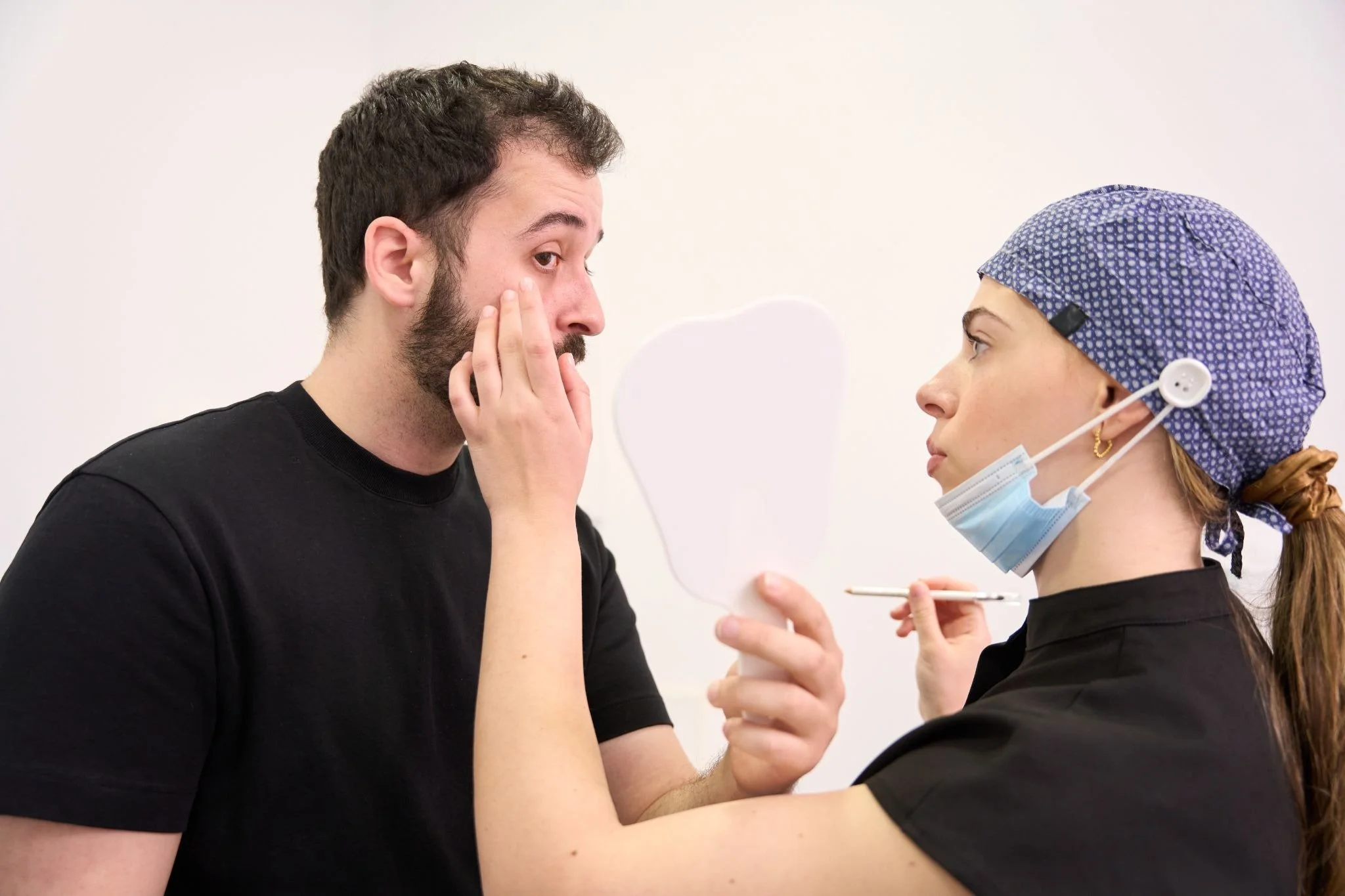
How Surgeons Use Photos to Plan Rhinoplasty Outcomes
Photos are an important part of rhinoplasty planning. They help patients explain what they notice, and they help surgeons evaluate the nose from multiple angles. Because the nose sits at the center of the face, small changes can affect overall balance. A thoughtful photo review can make the consultation more specific, realistic, and useful.
Patients considering facial plastic surgery in Austin often arrive with concerns that are easiest to describe visually. You may notice that your nose looks different in profile than it does from the front. You may feel that one side photographs better than the other. You may see a bump, tip droop, asymmetry, or shadow that feels more obvious in pictures than in the mirror. Photos help organize those observations into a careful surgical discussion.
Why Photos Matter in Rhinoplasty Planning
Rhinoplasty is a three-dimensional procedure. The nose must be evaluated from the front, side, base, and angled views. Each view reveals different information about structure, proportion, and symmetry.
The front view may show width, deviation, tip shape, nostril position, or asymmetry. The profile view may show bridge height, tip projection, and how the nose relates to the chin and lips. The base view can help evaluate nostril shape and tip support. Angled views often show how all of these features work together.
This type of visual assessment helps surgeons avoid focusing too narrowly on one concern. For example, reducing a bridge bump may affect how the tip appears. Refining the tip may change the way the bridge is perceived. Straightening the nose may require attention to both internal and external structures. Patients reviewing rhinoplasty solutions in Austin can better understand why the entire nasal framework must be considered.
Photos Help Clarify Facial Balance
The nose does not exist by itself. Its appearance is shaped by surrounding features, including the eyes, cheeks, lips, jawline, and chin. A nose that feels too prominent from the side may be influenced by bridge height, tip projection, chin position, or a combination of factors.
Photos allow the surgeon to study facial proportions in a more organized way. This does not mean the goal is mathematical perfection. Human faces naturally have small differences between sides. The goal is usually better balance, not an artificial or overly corrected result.
During consultation, the surgeon may explain how proposed changes could affect the whole face. Some patients benefit from subtle refinement. Others may need more structural correction due to injury, asymmetry, or breathing concerns. The plan should be shaped by anatomy rather than trends.
Bringing Reference Photos
Some patients bring reference photos to show the kind of result they like. This can be helpful, but it should be approached carefully. A nose that looks balanced on one person may not fit another person’s face. Skin thickness, cartilage strength, nasal length, facial proportions, and breathing function all affect what is realistic.
Reference photos are best used as communication tools, not as templates. They can help explain preferences such as a softer bridge, a more refined tip, or a less rotated appearance. However, your surgeon should explain what is achievable for your own anatomy.
It can also be helpful to bring older photos of yourself. If your nose changed after injury, aging, or previous surgery, earlier photos may help show what changed and when. These photos can provide useful context during evaluation.
The Limits of Photo-Based Planning
Photos are useful, but they do not tell the full story. A surgeon still needs to examine the nose in person. Physical evaluation can reveal skin thickness, cartilage strength, nasal support, scar tissue, and internal airway concerns. These details may not be obvious in photos.
Lighting, camera angle, lens distortion, and facial expression can also change how the nose appears. A selfie taken close to the face may exaggerate certain features. Professional or standardized photos are often more reliable for planning because they are taken from consistent angles.
The American Board of Facial Plastic and Reconstructive Surgery offers information about board certification, which can be useful when patients are researching surgeon qualifications and training. Choosing a qualified surgeon matters because rhinoplasty planning requires both aesthetic judgment and structural understanding.
How Photos Support Realistic Expectations
A good rhinoplasty consultation should include a clear conversation about what can be improved, what should be preserved, and what limitations apply. Photos help make that discussion more specific. Instead of saying, “I do not like my nose,” a patient may be able to point to the bridge, tip, nostrils, or profile angle that feels concerning.
Surgeons may also use photos to explain why a requested change may or may not be advisable. For example, making the nose too small for the face can create imbalance. Removing too much support can affect long-term stability or breathing. Over-refinement may look unnatural, especially if the skin or cartilage does not support that kind of change.
The best planning protects identity. Many patients want their nose to look more balanced without feeling like their face has changed completely. Photos can help define that goal.
Questions to Ask During Photo Review
A photo-based consultation is a good opportunity to ask detailed questions. Consider asking:
What do you notice from the front view?
What do you notice from the profile view?
How does my chin or jawline affect nasal balance?
Is my concern related to bone, cartilage, skin, or all three?
How will breathing be evaluated?
Are my goals realistic for my anatomy?
How might swelling affect the way results appear over time?
These questions can help you better understand the surgical plan and recovery process.
Recovery and Final Results
Photos may also be used after surgery to track healing. Early swelling is expected and can make the nose look different from the final result. The bridge may settle sooner, while the tip often takes longer. This is one reason patience is important after rhinoplasty.
Patients should avoid judging the result too early. Follow-up visits allow the surgeon to monitor healing and provide guidance about activity, swelling, and long-term care.
Planning with Confidence
Photos are a valuable tool in rhinoplasty planning because they help connect patient goals with surgical analysis. They support clearer communication, better understanding of facial balance, and more realistic expectations.
A careful plan should consider appearance, function, structure, and long-term stability. When photos are used thoughtfully, they can help patients and surgeons work toward a result that feels natural, balanced, and consistent with the patient’s features.
To discuss your rhinoplasty goals and review what may be realistic for your facial structure, schedule a consultation through Dr. Apo’s contact page.
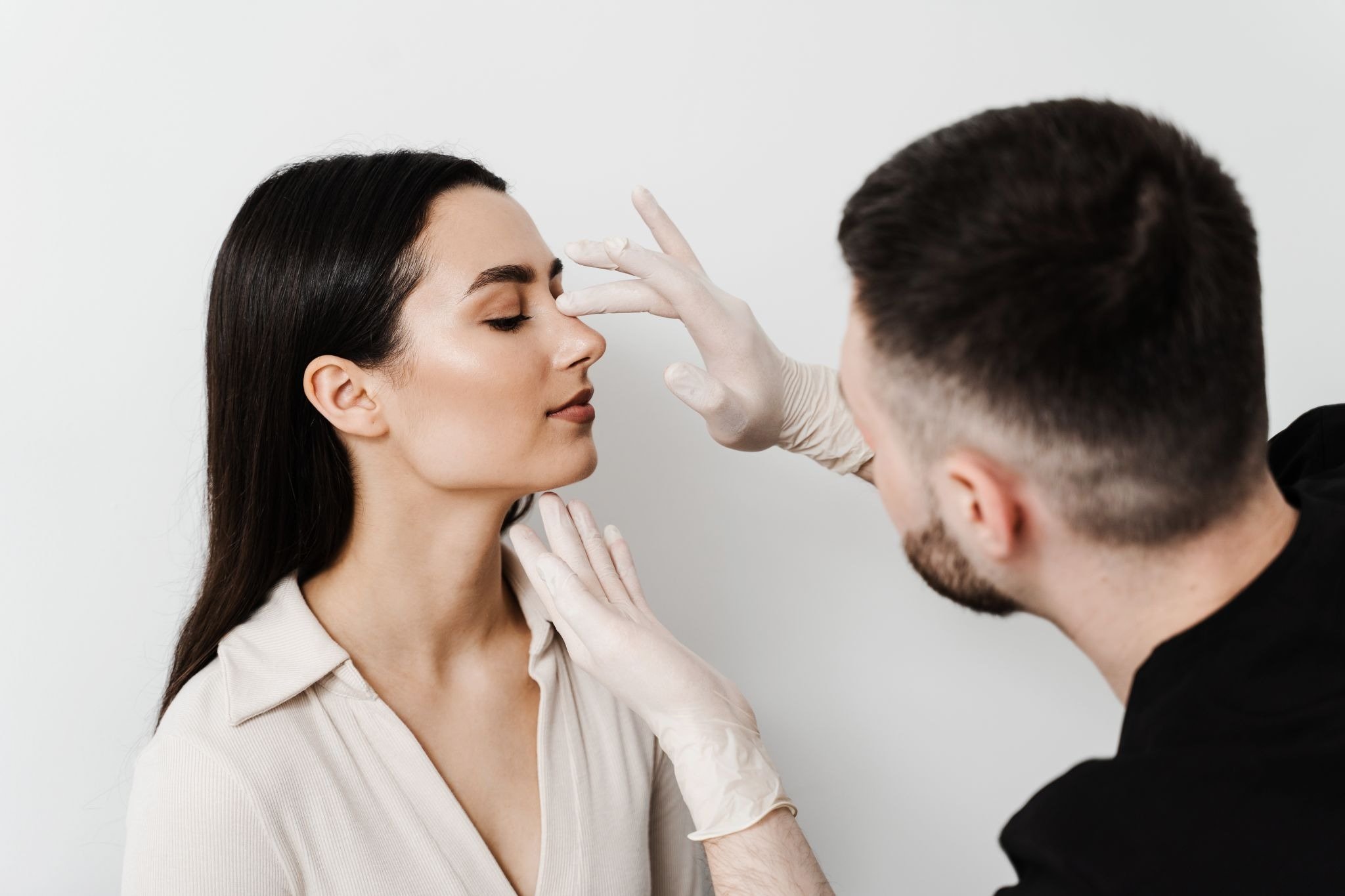
Why Fall Is a Popular Season for Nose Surgery
Fall is often a practical season for patients who are thinking about nose surgery. Summer schedules may be busy with travel, outdoor plans, weddings, and family events. By September, many people are ready to return to a more predictable routine and think carefully about personal goals. If rhinoplasty has been on your mind for a while, fall may offer a helpful window for planning, consultation, and recovery.
Rhinoplasty is not simply about changing the nose. It is about evaluating facial balance, nasal structure, breathing function, and long-term expectations. Patients researching facial plastic surgery in Austin often benefit from approaching the process with patience instead of rushing toward a surgery date. The timing should support your health, your schedule, and your ability to follow recovery instructions.
Fall Can Make Recovery Planning Easier
One reason fall is appealing is that daily routines often become more stable. Children return to school, summer travel slows down, and work schedules may become easier to organize. This can make it simpler to arrange time off, transportation, follow-up visits, and quiet recovery at home.
The early recovery period after rhinoplasty usually involves swelling, bruising, congestion, and a strong need for rest. Patients may feel better day by day, but visible changes take time to settle. Because the nose is central to the face, even mild swelling can feel noticeable to the patient, especially in photos or social settings.
Cooler weather may also make recovery more comfortable. Heat and intense sun exposure can increase swelling or irritation during the early healing phase. While every patient must follow their surgeon’s specific instructions, many people find it easier to rest indoors and limit strenuous outdoor activity during fall than during the peak of summer.
Planning Around Holidays and Events
September can be a useful time to begin planning if you have holiday gatherings, year-end photos, or winter travel in mind. However, it is important to build in enough recovery time. Rhinoplasty swelling does not disappear all at once. The bridge may improve sooner, while the nasal tip can take longer to refine.
If you want to feel more comfortable before a major event, avoid scheduling surgery too close to that date. Your surgeon can help you understand what kind of social downtime may be realistic based on the details of your procedure. Reviewing rhinoplasty solutions in Austin can also help you prepare better questions before consultation.
Patients often ask when they can return to work, exercise, travel, or public-facing activities. The answer depends on the type of rhinoplasty, the amount of structural work involved, and personal healing patterns. Planning ahead gives you more flexibility and helps reduce stress.
Facial Balance Is Still the Priority
Even when timing is convenient, the most important part of rhinoplasty is the quality of the plan. The nose sits at the center of the face, so changes to the bridge, tip, or nostrils can affect how the eyes, cheeks, lips, and chin appear together. A good rhinoplasty consultation should consider the whole face rather than treating the nose as an isolated feature.
Some patients want a bump softened. Others want the nasal tip refined, the bridge narrowed, or asymmetry improved after injury. Some also have breathing concerns. Each of these goals requires careful evaluation.
Skin thickness, cartilage strength, prior trauma, and internal nasal support all influence what is possible. Two patients may ask for similar changes but need very different surgical plans. This is why realistic expectations are essential.
Breathing Function Should Be Discussed
Rhinoplasty can be cosmetic, functional, or both. Even when the main concern is appearance, the surgeon should evaluate breathing and nasal support. Internal structures such as the septum and nasal valves help maintain airflow. If support is weakened or not properly addressed, long-term function may be affected.
Patients should be ready to discuss congestion, mouth breathing, past injuries, previous nasal surgery, allergies, and any breathing symptoms that feel persistent. Appearance and function are connected, and a thoughtful plan should protect both.
The American Academy of Facial Plastic and Reconstructive Surgery provides patient education on facial plastic surgery and can be a helpful external resource for understanding the importance of choosing a qualified facial plastic surgeon.
How to Prepare Before a Fall Consultation
Good preparation can make your consultation more productive. Before your visit, think about what bothers you most, what you want to preserve, and what would feel like a natural result. It may be helpful to bring photos of yourself from different angles or from earlier years, especially if your concern developed after injury or aging.
You may also want to ask:
What changes are realistic for my anatomy?
How will my breathing be evaluated?
How long should I plan for social downtime?
What swelling should I expect in the first few weeks?
How long does the nasal tip usually take to refine?
What should I avoid during early recovery?
Clear questions lead to clearer expectations. A consultation is not only about deciding whether surgery is possible. It is also about understanding whether surgery is appropriate for your goals, health, and timing.
Recovery Requires Patience
Fall may be a convenient season, but recovery still needs care. Patients should follow written aftercare instructions, attend follow-up visits, and avoid trying to speed the process with unapproved supplements, products, or activity changes. Swelling can fluctuate from one day to the next, and that is a normal part of healing.
If symptoms feel unusual, such as worsening pain, fever, bleeding that does not slow, sudden one-sided swelling, shortness of breath, or vision changes, patients should contact their surgical team right away. Safety should always come before convenience.
Is Fall the Right Time for You?
Fall can be a practical season for rhinoplasty because it may offer a calmer schedule, cooler weather, and more time to prepare before winter events. Still, the right timing depends on your anatomy, goals, health history, and recovery needs.
A careful rhinoplasty plan should support natural facial balance, preserve function, and respect the features that make you look like yourself. If you are considering nose surgery, the best next step is a thoughtful consultation with a qualified facial plastic surgeon.
If you are ready to plan rhinoplasty with realistic expectations and a safety-first approach, schedule a consultation through Dr. Apo’s contact page to discuss your goals.
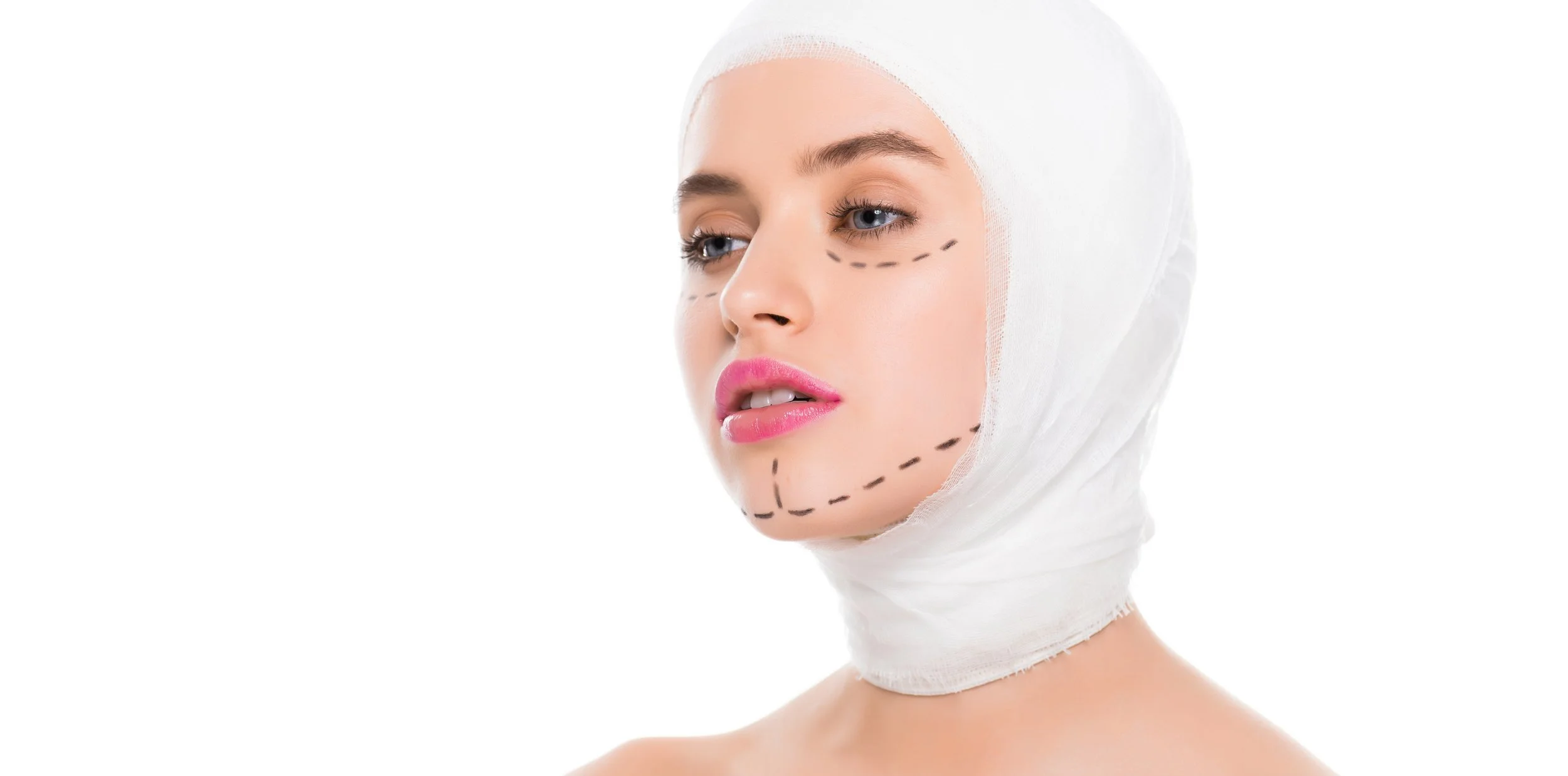
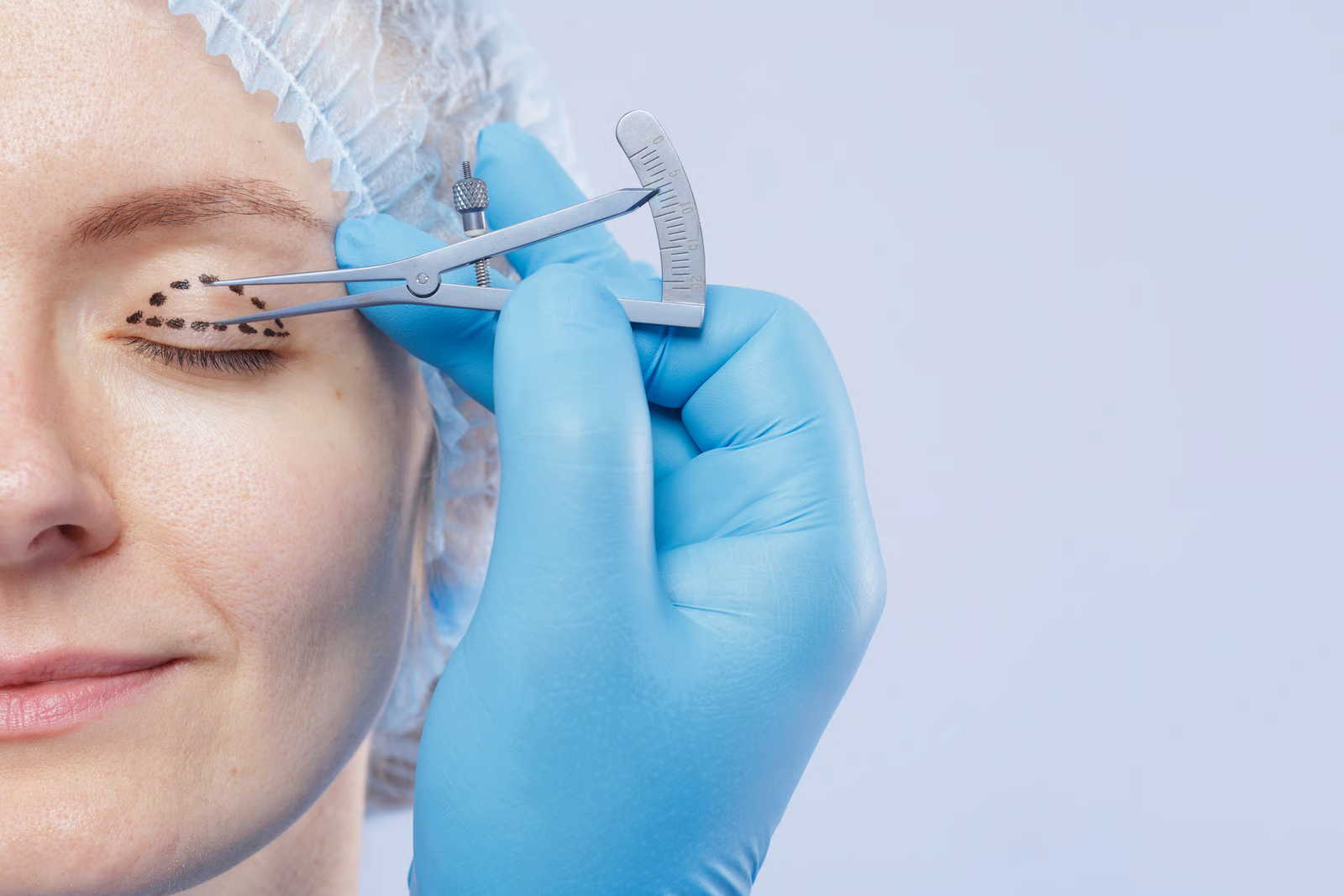
Upper Eyelid Surgery for a More Alert Appearance
The eyes are often one of the first areas where people notice aging. Upper eyelid skin may begin to fold over the natural crease, creating heaviness or a tired appearance. Some patients feel that their eyes look less open in photos, even when they are rested and healthy. A consultation for facial plastic surgery in Austin can help determine whether upper eyelid surgery may be appropriate.
Upper eyelid surgery is designed to address excess skin and heaviness while preserving natural expression. The goal is not to create a different look. It is to help the eyes appear more open, balanced, and refreshed.
Why the Eyes Can Look Tired
The upper eyelid skin is thin and delicate, which makes it more likely to show changes over time. As skin loses elasticity, it may stretch and fold. Fat distribution can also shift, and brow position may contribute to heaviness above the eyes.
These changes can make the face appear tired, even when energy levels are normal. Some patients also notice practical concerns, such as makeup smudging, eyeliner transferring, or skin resting near the lashes.
A professional upper facial plastic surgery evaluation can help determine whether the concern is caused by excess eyelid skin, brow position, fat changes, or a combination of factors.
What Upper Eyelid Surgery Can Address
Upper eyelid surgery, also known as blepharoplasty, may improve the appearance of heaviness by removing or repositioning tissue in a careful, conservative way. The procedure is customized to the patient’s anatomy and goals.
It may help address:
Excess upper eyelid skin
Hooding over the natural crease
A heavy or tired appearance
Makeup application challenges
Skin that rests near the eyelashes
Reduced openness around the eyes
Because the eye area is central to facial expression, planning should focus on subtle improvement rather than overcorrection.
Why Conservative Planning Matters
Removing too much tissue around the eyes can create an unnatural or hollow appearance. This is why surgeons evaluate the full upper face, not just the eyelid itself. Brow position, eyelid shape, skin quality, and facial proportions all influence the final plan.
A good result should still look like you. The eyes may appear more open and rested, but expression should remain natural.
Recovery and Social Downtime
Recovery varies by patient, but swelling and bruising are common during the early healing period. Many patients plan quiet time at home for the first several days. Because the eye area is visible, it can be helpful to build in extra time before major events, photos, or public-facing work.
Your surgeon will explain when you may resume normal activities, wear makeup, use contact lenses, or return to exercise. Follow-up visits are important to confirm that healing is progressing as expected.
When to Consider an Evaluation
If upper eyelid heaviness affects your appearance, comfort, makeup routine, or field of vision, an evaluation can help clarify your options. Surgery is not always necessary, but a consultation can explain whether eyelid changes are mild, moderate, or more significant.
With careful planning, upper eyelid surgery may help create a brighter and more alert appearance while preserving the natural character of the eyes.
If upper eyelid heaviness is affecting your appearance, comfort, or daily routine, a professional evaluation can help clarify your options. Learn more about upper facial plastic surgery evaluation and what treatment may be appropriate for your goals.
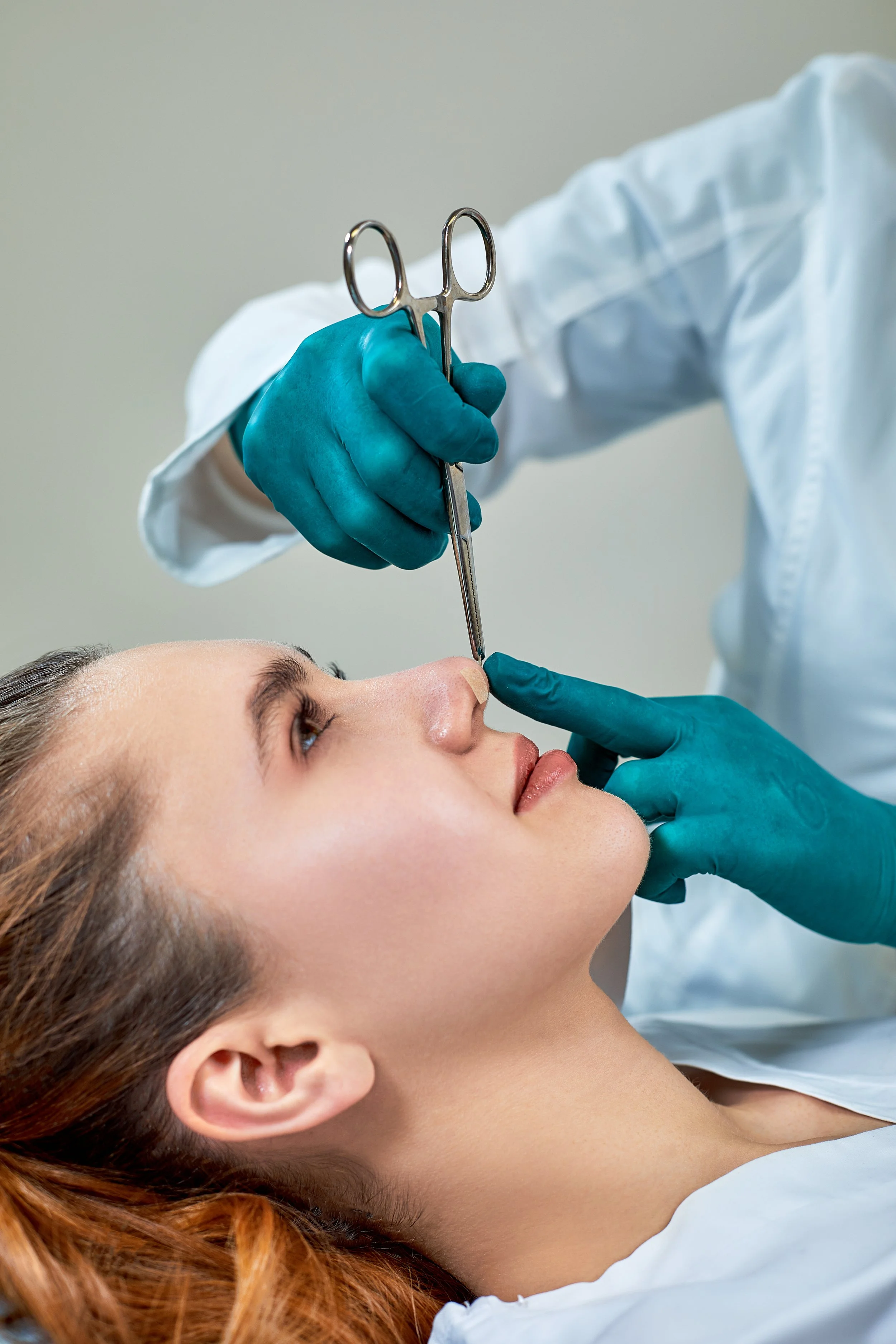
When Is a Second Revision Rhinoplasty Procedure Considered?
Rhinoplasty results take time to settle, and most changes become clearer as swelling improves. In some cases, however, a patient may continue to have concerns about appearance, breathing, or structural support after a previous nose surgery. When this happens, revision rhinoplasty may be considered. A consultation with a surgeon experienced in the best facial plastic surgery in Austin can help determine whether a second procedure is appropriate.
Revision rhinoplasty is not simply a repeat of the first surgery. It often involves scar tissue, altered cartilage, and more complex structural decisions. Careful evaluation is essential before any treatment plan is recommended.
Why Patients Consider Revision Rhinoplasty
Patients may explore revision surgery for several reasons. Some are concerned about an uneven bridge, tip shape, nostril asymmetry, or results that do not match their expectations. Others may have difficulty breathing after a prior procedure or after an injury that occurred later.
Common concerns may include:
Persistent asymmetry
A bridge that feels too high or too low
Tip irregularity
Breathing obstruction
Weak structural support
Changes that became more visible after swelling resolved
A visit focused on facial plastic surgery planning in Austin can help identify whether the concern is cosmetic, functional, or both.
Why Revision Rhinoplasty Is More Complex
The first rhinoplasty changes the structure of the nose. During revision surgery, the surgeon may need to work around scar tissue or limited cartilage. In some cases, additional support may be needed to rebuild areas that have weakened or changed shape over time.
Skin thickness and healing patterns also matter. If the skin is thick, swelling may last longer and subtle changes may be less visible. If the skin is thin, small irregularities may show more easily. These details affect what is realistic.
Patients considering rhinoplasty solutions in Austin should understand that revision planning often requires patience and a highly individualized approach.
When Is the Right Time to Reassess?
Because rhinoplasty swelling can take months to improve, surgeons may recommend waiting before deciding on revision surgery. The nasal tip can be especially slow to refine. Acting too soon may lead to decisions based on temporary swelling rather than the final outcome.
If breathing is affected or symptoms feel concerning, patients should contact a qualified surgeon for guidance. A professional evaluation can help determine whether the issue should be monitored or addressed.
Questions to Ask During Consultation
Clear questions can make the revision consultation more useful. Consider asking:
What is causing my current concern?
Is this related to swelling, structure, scar tissue, or healing?
What changes are realistic in my case?
Will breathing function be evaluated?
What risks are different in revision surgery?
How long should I expect recovery to take?
These questions help create a clearer understanding of the options and limitations.
Moving Forward Carefully
Revision rhinoplasty should be approached thoughtfully. The goal is to improve balance, function, and stability while respecting the limits of existing anatomy. Not every concern requires another surgery, and not every desired change may be possible.
A careful consultation allows patients to understand what can be improved, what should be preserved, and what recovery may involve. With realistic expectations and detailed planning, revision rhinoplasty may help address concerns from a previous procedure while supporting a natural-looking result.
Considering revision nose surgery requires thoughtful planning and realistic expectations. Start with a detailed consultation for rhinoplasty solutions in Austin to understand what may be possible for your structure, function, and long-term results.

Teen vs Adult Rhinoplasty: Key Differences in Planning
Rhinoplasty can be considered by both teens and adults, but the planning process is not exactly the same for every age group. Facial growth, emotional readiness, anatomy, and long-term expectations all play a role in deciding whether nose surgery is appropriate. If you are researching the best facial plastic surgery in Austin, it helps to understand how surgeons evaluate timing and candidacy carefully.
The goal of rhinoplasty is not simply to change the nose. It is to create better facial balance while protecting function, structure, and long-term stability. For younger patients especially, this requires thoughtful evaluation before moving forward.
Why Facial Growth Matters
Teen rhinoplasty planning usually begins with one important question: has facial growth stabilized? If surgery is performed too early, continued growth may affect the final result. Surgeons typically evaluate physical maturity, nasal development, and overall facial proportions before recommending a procedure.
Adults do not usually have the same growth-related concern, but they may have other factors to consider. Prior injury, previous surgery, skin thickness, cartilage strength, and breathing symptoms can all influence the surgical plan.
A consultation for facial plastic surgery options in Austin helps determine whether the timing is appropriate based on each patient’s health, anatomy, and goals.
Emotional Readiness and Expectations
Rhinoplasty is a personal decision. For teens, surgeons often want to understand whether the desire for surgery is patient-driven and realistic. The patient should be able to explain what bothers them, what they hope to improve, and what they want to preserve.
Adults may have more defined goals, especially if they have thought about rhinoplasty for many years. Still, expectations must be realistic at any age. Surgery can improve proportion and balance, but it cannot create perfection or copy another person’s nose.
Patients exploring rhinoplasty solutions in Austin should expect a detailed conversation about appearance, breathing, recovery, and long-term results.
Common Reasons Teens and Adults Consider Rhinoplasty
Although each patient is different, common concerns may include:
A bump on the bridge
A wide or drooping nasal tip
Nose asymmetry
Changes after injury
Breathing concerns
A nose that feels out of proportion with the face
For both teens and adults, surgeons evaluate the nose from the front, side, and other angles to understand how changes may affect overall facial balance.
Recovery Planning by Age
Recovery is personal, but most patients need time for swelling, bruising, congestion, and rest in the early phase. Teens may need to plan around school breaks, sports, and family support. Adults may need to coordinate work, childcare, travel, or public-facing responsibilities.
Rhinoplasty swelling can take time to settle, especially in the nasal tip. Planning extra buffer time before important events is usually helpful.
Choosing the Right Time
The right time for rhinoplasty depends on more than age. It depends on facial development, health, motivation, anatomy, and expectations. A careful consultation allows the surgeon to explain what is realistic and whether surgery should happen now or later.
With thoughtful planning, rhinoplasty can help improve facial harmony while maintaining a natural appearance. The best approach is individualized, conservative, and focused on long-term balance.
Ready to learn whether rhinoplasty is the right fit for your age, anatomy, and goals? Schedule a personalized consultation for facial plastic surgery in Austin to discuss your options with a careful, safety-first approach.
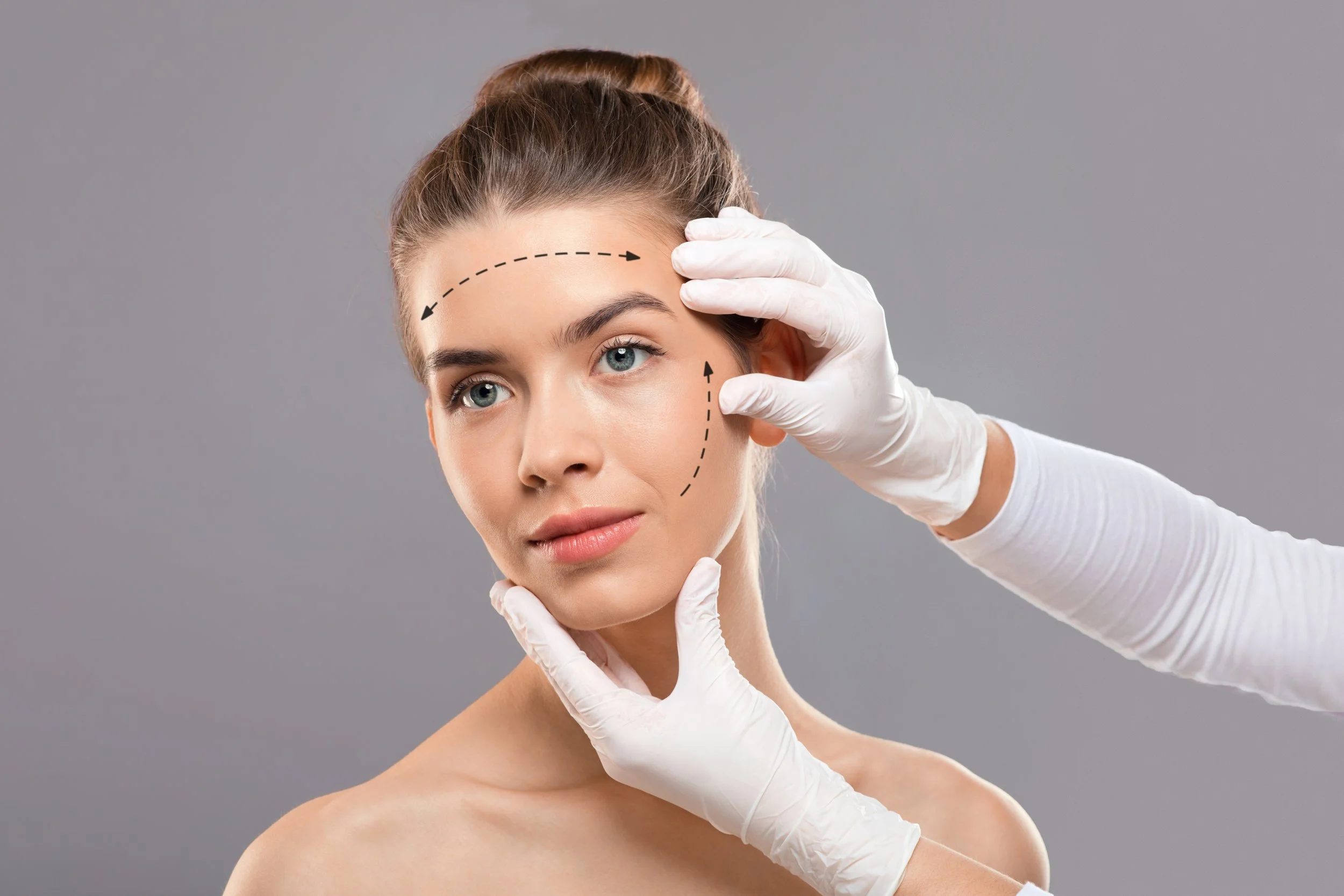
Why Facelifts Are Customized Rather Than One-Size-Fits-All
Facial aging does not happen the same way for everyone. Some people notice early jowling along the jawline, while others are more concerned about loose neck skin, deeper folds, or changes in the mid-face. Because each face ages differently, facelift planning should be individualized. Patients researching the best facial plastic surgery in Austin often benefit from understanding why a customized approach matters.
A facelift is not designed to make every patient look the same. The goal is to restore support, improve contours, and create a refreshed appearance that still feels natural to the individual.
Why Aging Patterns Differ
Several factors influence how the face changes over time. Genetics, sun exposure, skin quality, weight changes, smoking history, and bone structure can all affect facial aging. Some patients develop laxity primarily in the lower face, while others experience changes in the cheeks, brow, jawline, and neck together.
This is why a surgeon must evaluate more than loose skin. A thoughtful consultation looks at deeper tissue support, facial proportions, skin elasticity, and the patient’s goals. This helps determine whether a limited procedure or a more comprehensive plan may be appropriate.
What Facelift Surgery Can Address
Modern facelift surgery focuses on repositioning deeper facial structures rather than simply tightening the skin. This can help improve areas such as the mid-face, jowls, jawline, and neck. All facelifts are deep plane unless stated otherwise at consultation, which allows the surgical plan to address deeper support in a more natural-looking way.
Depending on the patient’s needs, facelift planning may focus on:
Softening deeper facial folds
Improving jawline definition
Reducing jowls
Supporting the mid-face
Addressing loose neck skin
Restoring more youthful facial contours
Because these concerns vary, the procedure should be tailored to the patient rather than based only on age.
Why Consultation Details Matter
During a facelift consultation, the surgeon evaluates anatomy, medical history, lifestyle factors, and recovery expectations. The discussion should include what bothers the patient most, what they want to preserve, and how much change feels appropriate.
Some patients may be candidates for a lower facelift, which addresses the mid-face, jowls, and neck lift. Others may need a fuller approach that includes the brow, mid-face, jowls, and neck lift. In some cases, upper or lower eyelid surgery, fat grafting, chin, cheek, or temple implants, or limited laser resurfacing may be combined with a full facelift in a single recovery.
Recovery Should Also Be Personalized
Recovery planning depends on the extent of the procedure and the patient’s daily responsibilities. Most patients feel socially presentable in about 2 weeks. Bruising and swelling usually peak in the first few days and then improve steadily. Full activity is typically cleared at the follow-up appointment, often around weeks three to four.
Patients should plan ahead for rest, transportation, follow-up visits, and help at home if needed. Experience expert care in an accredited surgical facility under IV sedation, with instructions tailored to the procedure performed.
Choosing the Right Plan
A customized facelift plan helps create results that look balanced and natural, not pulled or overdone. The best approach depends on the patient’s anatomy, degree of aging, skin quality, and long-term goals.
For patients considering facial rejuvenation, a consultation can clarify which type of facelift may be appropriate, what recovery may involve, and what results are realistic. With careful planning, facelift surgery can help restore facial contours while preserving the features that make each person look like themselves.
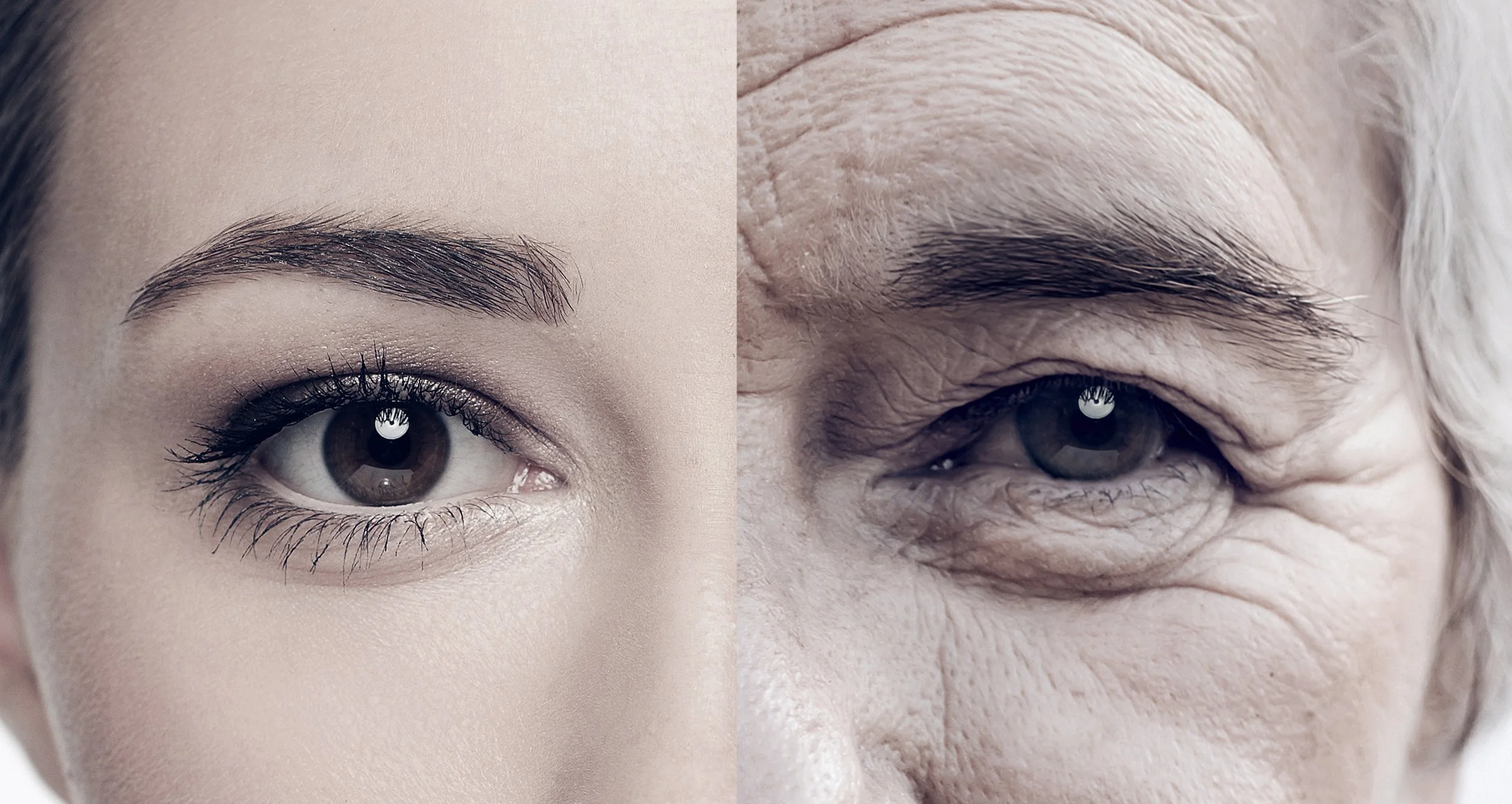
Aging Around the Eyes: Skin Laxity vs Fat Changes
The eye area often shows aging earlier than other parts of the face. Some people notice loose upper eyelid skin, while others see puffiness, heaviness, or a tired appearance that does not improve with rest. Because these changes can come from different causes, it is important to understand whether skin laxity, fat changes, brow position, or a combination of factors may be involved. A consultation for facial plastic surgery in Austin can help determine what is actually creating the concern.
Upper eyelid concerns are not always only cosmetic. In some cases, excess skin may affect comfort, makeup application, or even the upper field of vision. A careful evaluation helps patients understand what is normal, what may be treatable, and what results are realistic.
How Skin Laxity Affects the Upper Eyelids
Skin laxity refers to looseness or stretching of the skin. Around the eyes, this can happen gradually as collagen and elasticity decrease over time. The upper eyelid skin is thin, so even small changes can create visible folding or hooding.
Patients may notice that the natural eyelid crease is harder to see, eyeliner transfers more easily, or the eyes appear smaller in photos. In more advanced cases, the extra skin may rest near the lashes and create a heavy sensation.
A professional upper facial plastic surgery evaluation can help identify whether excess skin is the main issue or if other structures are contributing.
How Fat Changes Affect the Eye Area
Fat around the eyes can also shift with age. Some patients develop puffiness because fat pads become more visible. Others may notice hollowing or shadowing when volume changes make the area look tired.
This is why upper eyelid surgery is not simply about removing skin. Surgeons evaluate the entire upper eye area, including the brow, eyelid crease, fat position, and facial balance. Removing too much tissue can create an unnatural or hollow appearance, so planning should be conservative and individualized.
Why Brow Position Matters
Sometimes what looks like eyelid heaviness is partly related to brow descent. If the brow has lowered over time, it may push more tissue toward the upper eyelid. In these cases, treating the eyelid alone may not fully address the concern.
During evaluation, the surgeon considers how the brow, eyelid, and surrounding facial structures work together. This helps determine whether upper eyelid surgery is appropriate or whether another approach should be discussed.
Signs It May Be Time to Seek an Evaluation
You may want to schedule an evaluation if you notice:
A heavy feeling in the upper eyelids
Skin folding over the natural crease
Makeup smudging or transferring
A tired appearance despite adequate rest
Brow lifting or forehead tension to keep the eyes open
Skin resting near the lashes
These symptoms do not automatically mean surgery is needed, but they can help guide a more informed conversation.
Choosing the Right Next Step
Aging around the eyes can come from skin laxity, fat changes, brow position, or several factors at once. The right treatment depends on identifying the true cause of the concern, not simply treating what appears most obvious.
With a careful consultation, patients can learn whether upper eyelid surgery may help create a more open, refreshed appearance while maintaining natural expression. The goal is not to change the way you look, but to restore balance in a way that fits your features.
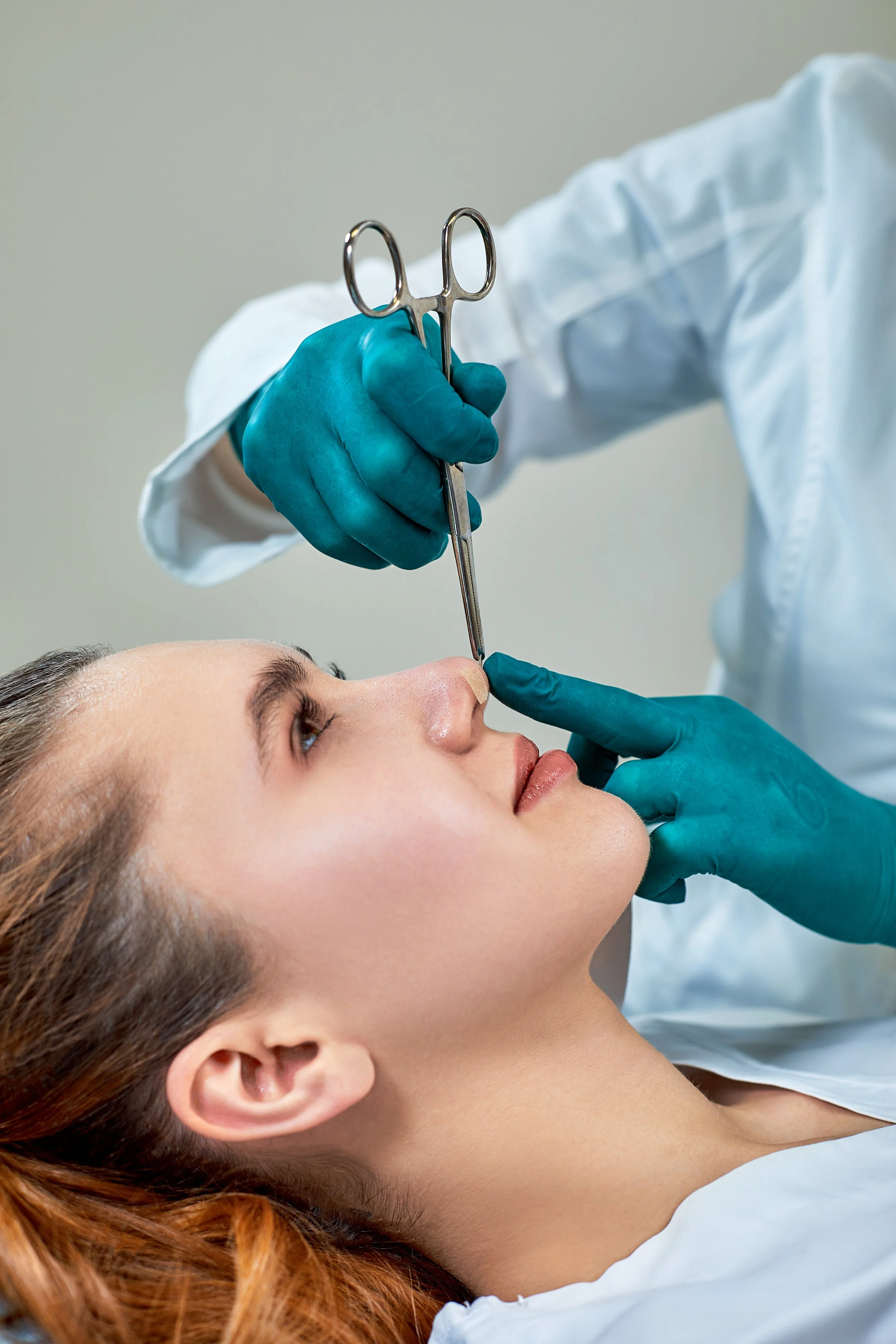
Common Myths About Nose Surgery and What Actually Happens
Rhinoplasty is one of the most commonly discussed facial procedures, but it is also surrounded by myths. Some people worry that nose surgery always looks obvious, while others assume recovery is faster or more difficult than it really is. If you are researching the best facial plastic surgery in Austin, separating myths from realistic expectations can help you make a more informed decision.
A thoughtful rhinoplasty plan is based on anatomy, facial balance, breathing function, and personal goals. It is not a one-size-fits-all procedure.
Myth 1: Rhinoplasty Always Looks Artificial
Modern rhinoplasty is usually focused on refinement, not dramatic change. Many patients want the nose to look more balanced while still feeling like themselves. Surgeons evaluate the whole face before recommending changes because the nose affects how the eyes, cheeks, lips, and jawline appear together.
The goal is often to improve proportion without removing the features that make your face unique. A consultation for facial plastic surgery options in Austin can help explain what natural-looking improvement may mean for your specific anatomy.
Myth 2: Rhinoplasty Is Only Cosmetic
Rhinoplasty may address appearance, breathing, or both. Some patients seek surgery because of a bump, asymmetry, or tip concerns. Others have structural issues that make breathing difficult. These can include septal deviation, nasal valve weakness, or changes after injury.
When function is part of the concern, the surgical plan must protect airflow and long-term support. Patients considering rhinoplasty solutions in Austin should ask how both appearance and breathing will be evaluated.
Myth 3: Recovery Is the Same for Everyone
Recovery varies from patient to patient. Swelling, bruising, congestion, and social downtime depend on the details of the procedure, skin thickness, cartilage strength, and personal healing patterns. Some swelling improves within the first few weeks, but subtle refinement can take longer.
The nasal tip often takes the most time to settle. This is why surgeons usually recommend planning with extra time before major events, travel, or photos.
Myth 4: You Can Choose Any Nose You Want
Reference photos can help communicate preferences, but rhinoplasty should not be about copying another person’s nose. What looks balanced on one face may not fit another. Skin thickness, facial proportions, and internal structure all affect what is realistic.
A good consultation should include honest discussion about what can be improved, what should be preserved, and what limitations may apply.
Questions to Ask Before Rhinoplasty
Before moving forward, consider asking:
What changes are realistic for my anatomy?
How will my breathing be evaluated?
What is the expected recovery timeline?
How much swelling should I expect?
What risks are most relevant in my case?
These questions can make the consultation more productive and help you feel prepared.
Moving Forward with Clear Expectations
Rhinoplasty can support facial balance, but it should be approached with patience and careful planning. Understanding common myths helps patients avoid unrealistic assumptions and focus on safe, individualized care.
If you are considering nose surgery, a board-certified facial plastic surgeon can evaluate your goals, anatomy, and recovery needs before recommending a treatment plan.
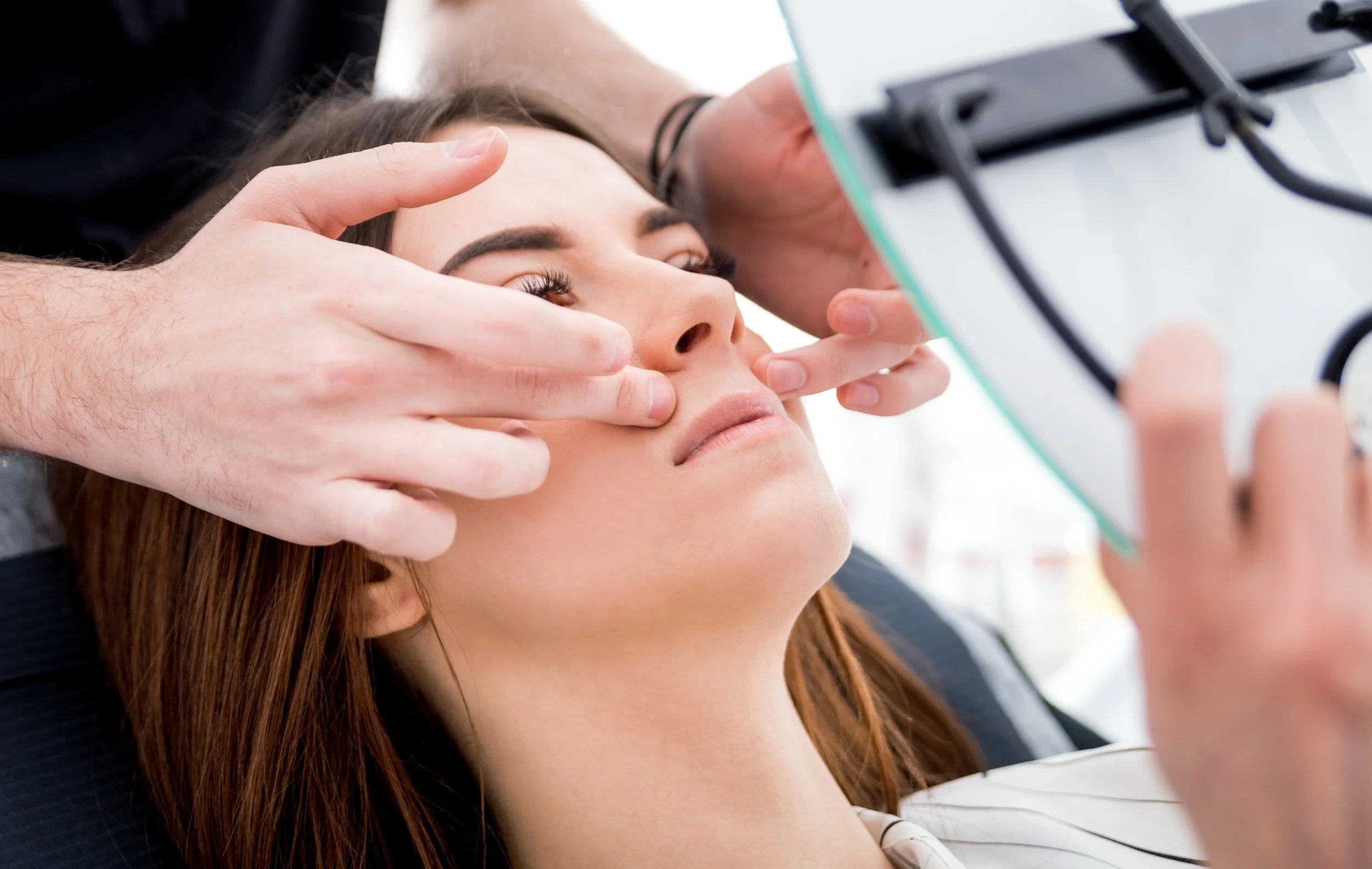
Can Rhinoplasty Correct Asymmetry After Injury?
A nasal injury can change more than the appearance of the nose. It may affect symmetry, breathing, facial balance, and how comfortable you feel in photos or daily life. Some injuries heal with only minor changes, while others leave a visible bend, bump, or uneven tip. If you are researching the best facial plastic surgery in Austin, it helps to understand how post-injury nose concerns are evaluated.
Rhinoplasty may be considered when an old injury has changed the shape or function of the nose. The right plan depends on your anatomy, healing history, and whether breathing has also been affected.
How Injury Can Change Nasal Structure
The nose is supported by bone, cartilage, and internal airway structures. After an injury, these areas may shift, weaken, or heal unevenly. This can create visible asymmetry from the front view, a bump on the bridge, or changes in how the tip sits.
Some patients also notice that one side of the nose feels more blocked than the other. This may happen when the septum or nasal valves are affected. A consultation for facial plastic surgery options in Austin can help determine whether the concern is cosmetic, functional, or both.
What Surgeons Evaluate Before Surgery
Rhinoplasty planning after injury usually involves a detailed facial and nasal assessment. Surgeons look at the nose from multiple angles and consider how it relates to the eyes, cheeks, lips, and chin. The goal is not only to straighten the nose, but to create a result that fits the whole face.
Evaluation may include:
The location of the asymmetry
The strength of the cartilage
Skin thickness
Prior nasal surgery or trauma
Breathing symptoms
Facial proportions from the front and profile views
Patients exploring rhinoplasty solutions in Austin should be prepared to discuss when the injury happened, how symptoms have changed, and what concerns are most important to improve.
Why Timing Matters After an Injury
If the injury is recent, swelling may need time to settle before a long-term plan can be made. In other cases, an old injury may require structural correction because the nose has healed in an uneven position. Your surgeon can explain whether it is better to wait, monitor changes, or consider surgery.
Post-injury rhinoplasty can be more complex than primary cosmetic rhinoplasty because the structure may already be weakened or scarred. Careful planning helps protect both appearance and breathing function.
Setting Realistic Expectations
Rhinoplasty may improve asymmetry, but perfect symmetry is not always possible. Every face has natural differences between the left and right sides. The goal is usually better balance, improved proportion, and stable support over time.
Recovery also requires patience. Swelling can fluctuate, especially around the tip, and final refinement may take time. Following your surgeon’s aftercare instructions is important for comfort and healing.
When to Schedule a Consultation
If a past injury has changed the way your nose looks or functions, a professional evaluation can help clarify your options. A consultation centered on facial balance, structure, and airway function allows your surgeon to explain what changes are realistic and what recovery may involve.

Summer Sun Protection and Healing After Facial Surgery

Summer weather can make recovery after facial surgery feel different from recovery during cooler months. Heat, sunlight, outdoor events, and travel plans may all affect how you plan your healing period. If you are considering a facelift or another facial procedure, it is important to understand how sun protection supports comfort, scar care, and long term results. A consultation focused on facial plastic surgery in Austin can help you prepare for recovery with your schedule and lifestyle in mind.
Why Sun Exposure Matters After Surgery?
Healing skin is more sensitive to sunlight. Too much sun exposure can increase redness, irritation, swelling, and the risk of pigmentation changes around incision sites. Even brief outdoor activity may affect delicate tissues during the early recovery phase.
Your surgeon will provide specific instructions about when and how to protect your skin. In many cases, this may include staying out of direct sunlight, wearing protective clothing, and using sunscreen only when approved. Learning about comprehensive facial plastic surgery options can help you understand how recovery planning supports both comfort and final results.
Heat, Swelling, and Early Recovery
Heat can increase blood flow and may make swelling feel more noticeable. After facelift surgery, swelling and bruising are expected in the early stages, but hot weather, saunas, intense workouts, and prolonged outdoor exposure may make symptoms worse.
Resting in a cool, comfortable environment can help your body focus on healing. During a visit focused on facelift surgery as part of facial plastic surgery in Austin, your surgeon can explain which activities to avoid and when it may be safe to gradually return to normal routines.
Planning Around Outdoor Events
Summer often includes weddings, vacations, reunions, and family gatherings. If you have major events planned, build extra recovery time into your schedule. While many people feel better week by week, visible signs of healing can vary.
Before surgery, ask your surgeon about:
When you can spend time outdoors again
When sunscreen or makeup may be used near healing areas
How long swelling and bruising may remain noticeable
When exercise, swimming, or travel may be safe
What symptoms should prompt a call to the office
A consultation centered on advanced facial plastic surgery planning can help you align your procedure date with your summer calendar.
Scar Care and Long Term Results
Incision care is an important part of facelift recovery. Sun exposure can darken healing scars or make them more visible, especially before the skin fully matures. Following scar care instructions closely can help support smoother healing.
Your surgeon may recommend avoiding direct sunlight on incision areas for an extended period. Hats, shade, and careful scheduling of outdoor time may all be useful. Reviewing facial rejuvenation procedures in Austin can help you better understand how aftercare habits influence long term satisfaction.
Supporting Recovery with Smart Habits
Good recovery habits are especially important during warmer months. Stay hydrated, rest as instructed, avoid strenuous activity until cleared, and keep follow-up appointments. Do not use unapproved skincare products, supplements, or treatments in an attempt to speed healing.
If you are planning facial surgery during the summer, a consultation focused on facial plastic surgery services in Austin can help you prepare for the season while protecting your results. With careful sun protection, realistic expectations, and consistent aftercare, many patients support a smoother recovery and more natural looking outcome.
Disclaimer: This article is for general education only. For guidance, consult a board-certified facial plastic surgeon.
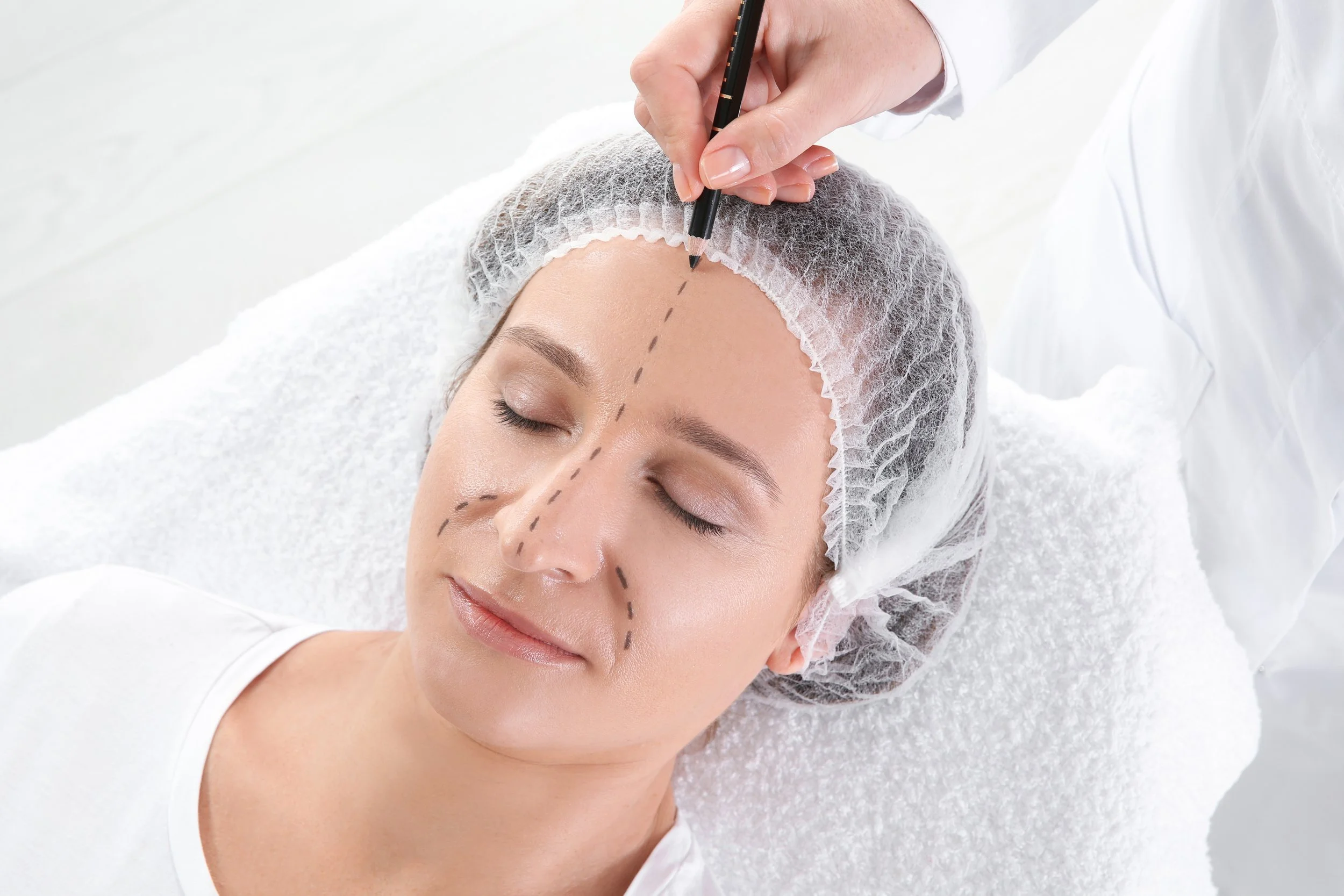
How Surgeons Balance Aesthetics and Breathing Function
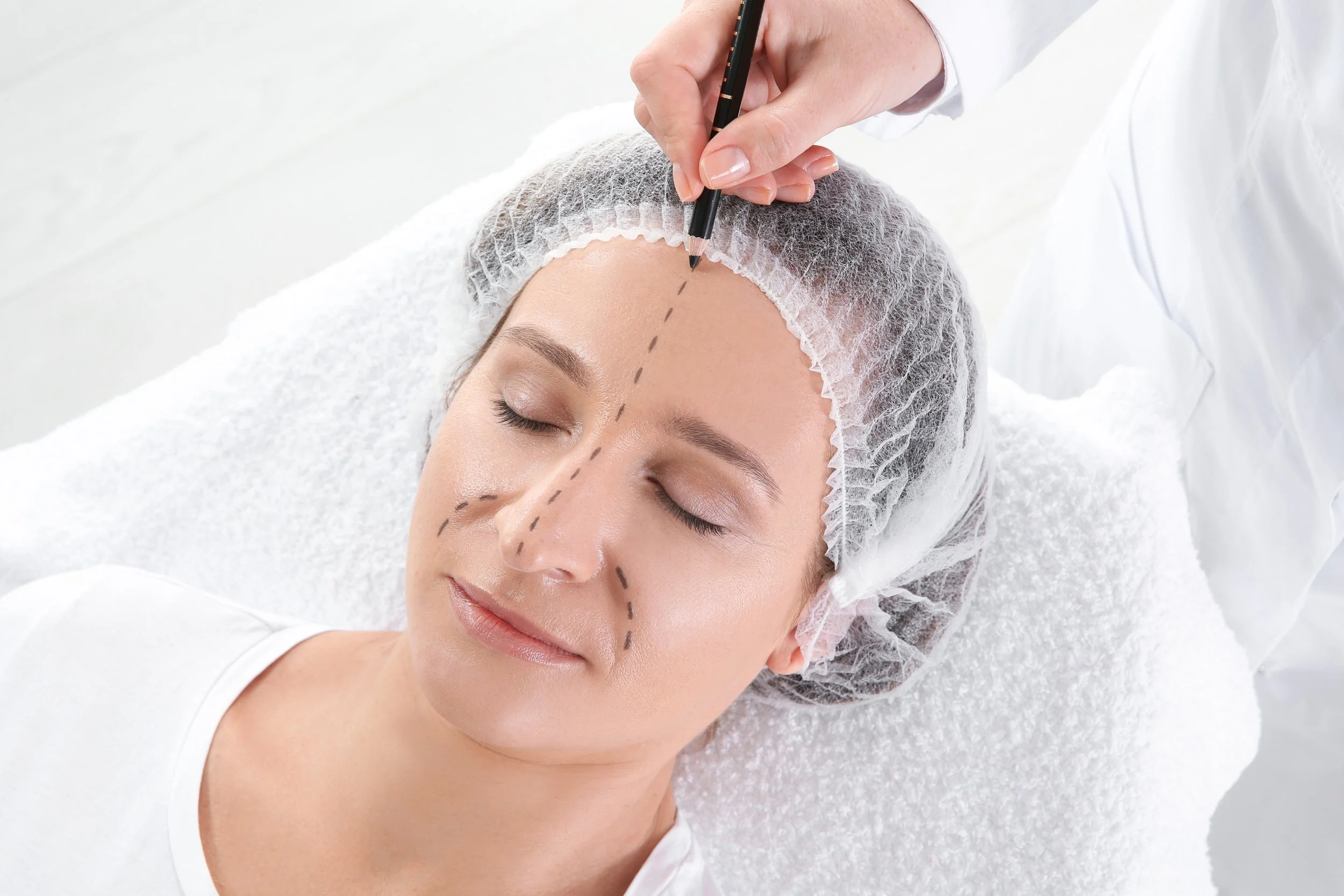
Rhinoplasty is often discussed in terms of appearance, but the nose also plays an important role in breathing. A surgical plan should consider both how the nose looks and how it functions. Even small structural changes can affect airflow, support, and long term stability. If you are considering nose surgery, a consultation focused on facial plastic surgery in Austin can help determine how aesthetic goals and breathing concerns should be evaluated together.
Why Function Matters in Rhinoplasty PlanningThe nose has internal structures that support airflow, including the septum, nasal valves, and surrounding cartilage. If these structures are weakened, blocked, or misaligned, breathing may feel restricted. Some patients notice this during exercise, sleep, or allergy season. Others may not realize there is a functional concern until a surgeon performs an exam.
A cosmetic change should not compromise breathing. In many cases, surgeons plan refinements in a way that preserves or improves nasal support. Learning about comprehensive facial plastic surgery options can help you understand why function is part of a complete facial evaluation.
Common Aesthetic Goals
Patients may seek rhinoplasty for several appearance-related reasons. Some want to smooth a bump on the bridge, refine the tip, narrow certain areas, or improve symmetry. Others want the nose to better match the proportions of the face without changing their overall identity.
These goals are highly personal, and the best plan depends on anatomy. Skin thickness, cartilage strength, facial angles, and prior injury can all affect what is realistic. Exploring rhinoplasty procedures in Austin can help you understand how surgeons customize each plan rather than using a one-size-fits-all approach.
How Breathing Concerns Are EvaluatedDuring a consultation, your surgeon may ask about congestion, mouth breathing, sleep quality, past nasal injuries, and previous surgeries. They may also examine internal structures to identify issues such as septal deviation or nasal valve weakness.
This evaluation helps determine whether functional corrections should be included in the procedure. During advanced facial plastic surgery planning, your surgeon can explain how structural support may be preserved or improved while still addressing cosmetic concerns.
Why Structure Supports Long Term Results
Rhinoplasty is not only about reshaping the surface. The underlying framework must remain strong enough to support the nose over time. If too much cartilage is removed or support is weakened, the nose may lose shape or develop breathing issues later.
For this reason, many surgeons use techniques that reinforce nasal structure when needed. Reviewing nose surgery options in Austin can help you better understand how support, symmetry, and function work together in a well-planned procedure.
Setting Realistic ExpectationsBalancing appearance and breathing requires careful communication. Patients should be clear about what they want to improve, but also open to the surgeon’s guidance about anatomical limits. A result that looks attractive but creates functional problems is not a successful outcome.
A consultation centered on facial plastic surgery services in Austin can help you ask the right questions and understand what changes are safe, realistic, and appropriate for your goals. With thoughtful planning, rhinoplasty can support facial harmony while preserving the function that matters every day.
Disclaimer: This article is for general education only. For guidance, consult a board-certified facial plastic surgeon.

Planning Surgery Around Summer Travel and Outdoor Plans

Summer can be a busy season filled with vacations, outdoor gatherings, family events, and time away from work or school. If you are considering rhinoplasty, it is important to think beyond the surgery date itself. Recovery requires planning, patience, and realistic expectations, especially when travel or outdoor activities are already on your calendar. A consultation focused on facial plastic surgery in Austin can help you decide whether summer is the right time to move forward.
Why Recovery Timing Matters
Rhinoplasty recovery is gradual. The first several days often involve swelling, bruising, congestion, and the need for extra rest. Many patients feel more comfortable after the first week or two, but the nose continues to heal and refine over a longer period.
This timeline matters when summer plans are approaching. Even if you feel well enough to return to light daily activities, swelling may still fluctuate. Learning about comprehensive facial plastic surgery options can help you understand how procedure timing, recovery needs, and personal commitments should fit together.
Travel After Rhinoplasty
Travel plans should be discussed with your surgeon before scheduling surgery. Flying or taking long trips too soon after rhinoplasty may be uncomfortable because of swelling, congestion, fatigue, or limited access to your care team. If questions or concerns arise, it is usually best to be close to your surgeon during the early healing period.
If travel is already planned, your surgeon can explain whether your timeline is reasonable. Exploring rhinoplasty procedures in Austin can also help you prepare questions about when it may be safe to fly, drive long distances, or resume a normal travel schedule.
Outdoor Activity and Sun Exposure
Summer activities can create extra challenges during recovery. Heat, sun exposure, and strenuous movement may increase swelling or irritation. Your surgeon may recommend avoiding direct sun exposure, intense exercise, swimming, or activities where your nose could be bumped until you are cleared.
Common activities to ask about include:
Swimming pools, lakes, or beaches
Hiking or outdoor workouts
Contact sports or recreational games
Long periods in direct sunlight
Travel to hot or humid climates
During advanced facial plastic surgery planning, your surgeon can explain which restrictions apply to your specific procedure and recovery stage.
Preparing Before Surgery Day
Good preparation can make early recovery feel more manageable. Before surgery, arrange transportation, stock your home with easy meals, and create a quiet place where you can rest with your head elevated. Keep approved supplies, water, and your phone charger nearby so you do not need to bend, reach, or strain.
It is also important to follow medication and aftercare instructions exactly as provided. Reviewing nose surgery options in Austin with your care team can help you better understand what to expect before and after surgery.
Making a Realistic Summer Plan
Rhinoplasty can support facial balance, but results take time to settle. If you have major summer events, photos, or travel plans, extra recovery buffer is often helpful. Planning too tightly may create unnecessary stress during a period when your body needs rest.
A consultation centered on facial plastic surgery services in Austin can help align your goals with your summer schedule. With careful planning and clear guidance, many patients make informed decisions about timing while protecting both recovery and long term results.
Disclaimer: This article is for general education only. For guidance, consult a board-certified facial plastic surgeon.

When Non-Surgical Treatments Are No Longer Enough
Non-surgical facial treatments can be helpful for early signs of aging, especially when concerns involve fine lines, mild volume loss, or skin texture. Over time, however, changes in skin laxity and deeper facial support may become more noticeable. When sagging along the cheeks, jawline, or neck becomes more advanced, non-surgical options may no longer provide the level of improvement a patient wants. A consultation focused on facial plastic surgery in Austin can help clarify when surgery may be the more appropriate next step.
What Non-Surgical Treatments Can Address
Non-surgical treatments often work well for subtle concerns. Injectable treatments, skin resurfacing, and other minimally invasive options may soften wrinkles, improve tone, or restore limited volume. These approaches can be useful for maintenance, especially when aging changes are mild.
However, non-surgical treatments have limits. They cannot remove significant excess skin or reposition deeper facial tissues in the same way surgery can. Learning about comprehensive facial plastic surgery options can help you understand where non-surgical care may fit and where surgical planning may become more effective.
Signs That Surgery May Be Worth Considering
Patients often begin thinking about facelift surgery when they notice changes that do not respond well to temporary treatments. These changes may involve sagging in the lower face, loose skin along the neck, or jowls that blur the jawline.
Common signs can include:
Deeper folds around the mouth
Loose skin below the chin or jawline
Loss of definition in the lower face
Results from non-surgical treatments that feel too subtle
A tired or aged appearance that does not match how you feel
A visit focused on facelift surgery as part of facial plastic surgery in Austin can help determine whether these concerns are related to skin laxity, volume changes, or deeper tissue descent.
Why More Treatment Is Not Always Better
When non-surgical treatments stop producing the desired effect, some patients try to compensate by adding more products or scheduling more frequent appointments. This may not always create a natural result. In some cases, overusing fillers or other treatments can make the face appear fuller without correcting the underlying sagging.
During advanced facial plastic surgery planning, your surgeon can explain whether continued non-surgical care makes sense or whether surgery would better address the cause of the concern. The goal is not to do more treatment, but to choose the right treatment for the problem.
How a Facelift Differs from Non-Surgical Care
A facelift is designed to reposition deeper facial tissues and improve sagging in the lower face and neck. Rather than simply adding volume or smoothing surface lines, surgery addresses structural changes that develop over time. This can create more durable improvement in areas where non-surgical treatments may fall short.
Recovery is an important consideration. Swelling, bruising, and activity restrictions are expected in the early healing phase. Reviewing facial rejuvenation procedures in Austin can help you understand how surgical and non-surgical options differ in terms of planning, downtime, and long term expectations.
Choosing the Right Time to Reassess
There is no single age when non-surgical treatments stop working. The right timing depends on anatomy, skin quality, goals, and how much change you want to achieve. Some patients continue with non-surgical care for years, while others benefit from surgery once laxity becomes more pronounced.
A consultation centered on facial plastic surgery services in Austin can help you compare options and make an informed decision. With careful evaluation, many patients choose a plan that supports natural looking improvement while avoiding unnecessary or ineffective treatments.
Disclaimer: This article is for general education only. For guidance, consult a board-certified facial plastic surgeon.

Vision Changes Caused by Excess Upper Eyelid Skin
Upper eyelid changes are often associated with appearance, but they can also affect daily comfort and vision. As the skin above the eyes becomes looser over time, it may fold over the natural eyelid crease or rest near the lashes. In some cases, this excess skin can narrow the upper field of vision and make routine activities more difficult. A consultation focused on facial plastic surgery in Austin can help determine whether eyelid changes are cosmetic, functional, or both.
Why Upper Eyelid Skin Changes Over Time
The skin around the eyes is thin and delicate, which makes it more likely to show age-related changes early. Over time, collagen loss, skin laxity, and shifting tissues can create heaviness in the upper lids. Some people notice that their eyes look tired, while others feel a physical weight above the eyes.
These changes may happen gradually, making them easy to adapt to without realizing how much they affect vision. Learning about comprehensive facial plastic surgery options can help clarify whether excess eyelid skin is part of normal aging or something that may benefit from surgical evaluation.
Signs That Eyelid Skin May Be Affecting Vision
Not all eyelid heaviness causes functional problems. However, certain symptoms may suggest that excess skin is interfering with daily activities. You may notice that you raise your eyebrows frequently, tilt your head back to see better, or feel eye fatigue after reading or working at a computer.
Common signs can include:
Difficulty seeing in the upper or side field of vision
A heavy feeling above the eyes
Skin resting on or near the eyelashes
Frequent forehead tension from lifting the brows
Trouble applying makeup because of folded skin
A visit centered on upper facial plastic surgery evaluation can help identify whether these symptoms are related to excess skin, brow position, or another concern.
Cosmetic and Functional Eyelid Concerns
Upper eyelid surgery, also known as blepharoplasty, can address both appearance and function. For cosmetic concerns, the goal may be to create a more open, rested appearance. For functional concerns, the goal may include removing skin that blocks vision or causes irritation.
Because the eye area is highly expressive, surgeons plan carefully to avoid an overcorrected look. Reviewing facial rejuvenation procedures in Austin can help you understand how eyelid surgery fits into a broader facial assessment while still preserving natural expression.
What Happens During Evaluation
A thorough eyelid evaluation often includes a discussion of symptoms, photographs, and an exam of the eyelids and brows. Your surgeon may also ask whether you experience dry eyes, irritation, or changes in vision. In some cases, visual field testing may be recommended to document how much the eyelids affect sight.
During advanced facial plastic surgery planning, your surgeon can explain whether upper eyelid surgery alone may be appropriate or whether brow position also needs to be considered.
Planning the Right Next Step
Excess upper eyelid skin does not always require surgery. Mild changes may be monitored, especially if they are not affecting comfort or vision. However, when heaviness interferes with daily life, a surgical consultation can provide helpful answers.
A consultation focused on facial plastic surgery services in Austin can help you understand your options, expected recovery, and realistic outcomes. With careful evaluation, many patients improve both eyelid comfort and visual openness while maintaining a natural appearance.
Disclaimer: This article is for general education only. For guidance, consult a board-certified facial plastic surgeon.
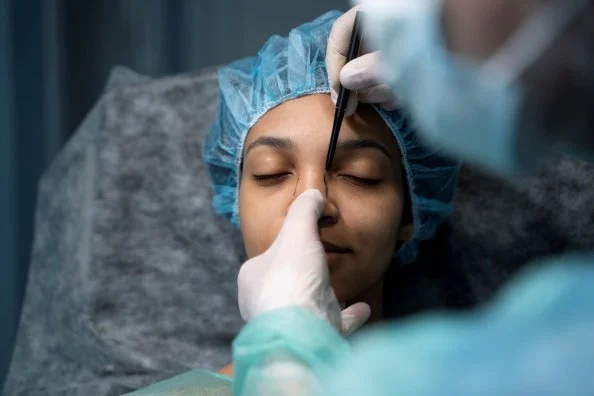
How Nose Surgery Can Improve Facial Harmony Without Changing Identity
Many people who consider rhinoplasty are not looking for a dramatic change. They may want the nose to feel more balanced with the rest of the face while still looking like themselves. This is one reason careful planning matters. A well-designed rhinoplasty does not focus on creating a standard nose. It focuses on refining shape, proportion, and structure in a way that supports your natural features. A consultation focused on facial plastic surgery in Austin can help determine what changes may be appropriate for your goals.
Why Facial Harmony Matters
The nose is one of the most central facial features, so even small adjustments can influence overall appearance. A bridge that feels too prominent, a drooping tip, or visible asymmetry may draw attention away from the eyes, cheeks, or smile. When the nose is more proportionate, the face may appear more balanced as a whole.
Surgeons evaluate the face from multiple angles before recommending any changes. Front view, profile view, chin projection, skin thickness, and facial symmetry all matter. Learning about comprehensive facial plastic surgery options can help you understand why planning looks at the entire face rather than one feature alone.
Refinement Instead of Reinvention
A natural rhinoplasty result usually comes from subtle refinement. This may involve smoothing a bump, adjusting the nasal tip, narrowing certain areas, or improving symmetry. The goal is not to erase personal features or make every nose look the same.
During a consultation, patients are often encouraged to explain what they want to improve and what they want to preserve. This conversation helps the surgeon understand the desired level of change. Exploring rhinoplasty procedures in Austin can provide helpful context about how nose surgery is customized to individual anatomy.
How Anatomy Shapes the Surgical Plan
Every nose has unique structural characteristics. Skin thickness, cartilage strength, prior injuries, and breathing function can all influence what is possible. These details affect how much definition can be achieved and how stable the result may be over time.
Because of this, two patients with similar goals may need very different surgical plans. An appointment centered on advanced facial plastic surgery planning allows your surgeon to explain what changes are realistic based on your structure and healing factors.
Balancing Appearance and Function
Rhinoplasty planning should also consider breathing. Even when a patient’s main concern is appearance, internal structures may need to be evaluated. Septal alignment, nasal valve support, and airway function can affect comfort and long term results.
A procedure that improves shape while weakening support may create future problems. Reviewing nose surgery options in Austin can help you better understand how surgeons balance cosmetic goals with structural stability and function.
Setting Clear Expectations
Before surgery, it is important to have realistic expectations. Rhinoplasty can improve balance and proportion, but it cannot create perfection or duplicate someone else’s features. Healing also takes time. Swelling may improve gradually, especially around the nasal tip.
A consultation focused on facial plastic surgery services in Austin can help you ask clear questions, review your priorities, and understand the recovery process. With thoughtful planning, many patients achieve a refined result that feels natural, balanced, and consistent with their identity.
Disclaimer: This article is for general education only. For guidance, consult a board-certified facial plastic surgeon.

Preparing for Rhinoplasty Before Summer Activities Begin
Summer often brings travel, weddings, outdoor events, and changes in daily routine. If you are considering rhinoplasty, planning before the season becomes busy can help you protect your recovery time and avoid unnecessary stress. Because healing is gradual, it is important to understand how surgery may affect your schedule, activity level, and comfort during warmer months. A consultation focused on facial plastic surgery in Austin can help you decide whether your timing is realistic.
Why Timing Matters Before Summer
Rhinoplasty recovery usually requires a period of rest, limited activity, and careful aftercare. Swelling, bruising, and congestion are common in the first stage of healing. While many patients begin feeling better within the first couple of weeks, the nose continues to refine over time.
If you have summer plans, it is wise to discuss them with your surgeon before choosing a surgery date. Learning about comprehensive facial plastic surgery options can help you understand how rhinoplasty fits into a broader plan for your appearance, health, and recovery needs.
Planning Around Travel and Events
Vacations, graduations, and family gatherings may influence when you schedule surgery. Even after the initial healing phase, subtle swelling can remain, especially in the nasal tip. If you want to feel more comfortable in photos or public settings, building in extra recovery time is often helpful.
Air travel may also require special guidance. Congestion, fatigue, and limited access to your surgical team can make early travel after surgery more difficult. Exploring rhinoplasty procedures in Austin can help you ask better questions about when travel, social events, and daily routines may safely resume.
Protecting Your Nose During Outdoor Activities
Summer activities can create extra recovery concerns. Heat, sun exposure, swimming, and strenuous exercise may increase swelling or place healing tissues at risk. Your surgeon will provide instructions about when you can return to specific activities.
Common restrictions may involve:
Avoiding direct sun exposure during early healing
Waiting for clearance before swimming
Avoiding contact sports or activities that risk impact
Keeping exercise gradual as swelling improves
During advanced facial plastic surgery planning, your surgeon can explain how these limits apply to your specific procedure and recovery timeline.
Preparing Your Home Before Surgery
A smooth recovery often begins before surgery day. Set up a comfortable space where you can rest with your head elevated. Keep water, simple meals, approved supplies, and your phone charger within reach. Arrange help with errands, childcare, pets, or transportation if needed.
It is also important to review medication instructions carefully. Do not guess about what to stop or continue before surgery. Reviewing nose surgery options in Austin with your care team can help you better understand preparation steps and aftercare expectations.
Moving Forward with Realistic Expectations
Rhinoplasty can support facial balance, but results develop gradually. Swelling may fluctuate from day to day, and final refinement can take time. Planning before summer activities begin allows you to give your body the space it needs to heal.
If you are thinking about rhinoplasty, a consultation centered on facial plastic surgery services in Austin can help align your goals, schedule, and health considerations. With careful preparation and clear guidance, many patients approach surgery with greater confidence and a better understanding of what recovery may involve.
Disclaimer: This article is for general education only. For guidance, consult a board-certified facial plastic surgeon.

What a Natural Looking Facelift Really Means
Many people considering a facelift share the same concern. They want to look refreshed, not different. The goal of modern facelift techniques is not to create a tight or artificial appearance, but to restore balance in a way that still looks like you. Understanding what defines a natural looking result can help you approach the process with realistic expectations. A consultation focused on facial plastic surgery in Austin can help determine what level of improvement aligns with your features and goals.
Moving Beyond the “Pulled” Look
Outdated perceptions of facelift surgery often involve overly tight skin and visible changes in expression. Today, surgeons focus on repositioning deeper structures rather than simply tightening the surface. This approach allows for smoother contours while preserving natural movement.
By addressing underlying tissues, surgeons can lift and support areas such as the cheeks and jawline without distorting facial features. Learning about comprehensive facial plastic surgery options can help you understand how modern techniques aim for subtle, balanced improvement rather than dramatic change.
Restoring Rather Than Changing
A natural result is typically defined by restoration. The goal is to bring facial features closer to how they appeared earlier, rather than creating a new or unfamiliar look. This may include softening deep folds, improving jawline definition, and reducing sagging in the lower face and neck.
Each plan is tailored to the individual. Factors such as skin quality, bone structure, and degree of aging all influence the approach. Exploring facelift surgery as part of facial plastic surgery in Austin can provide insight into how surgeons customize techniques for long term stability and natural results.
The Importance of Facial Balance
Facial harmony plays a key role in achieving a natural appearance. Changes to one area must complement surrounding features. For example, lifting the lower face without considering the midface or neck can create imbalance.
During an appointment focused on advanced facial plastic surgery planning, your surgeon evaluates how each part of the face contributes to overall appearance. This comprehensive approach helps ensure that results look consistent from all angles.
Subtle Results That Improve Over Time
A natural looking facelift does not produce instant final results. Swelling and healing take time, and subtle refinements continue over several months. This gradual progression often helps results blend more seamlessly with your appearance.
Patients are typically able to return to normal routines in stages, with full results becoming more apparent as tissues settle. Reviewing facial rejuvenation procedures in Austin can help you understand how recovery timelines contribute to a natural outcome.
Choosing the Right Expectations
Natural results depend not only on surgical technique, but also on clear communication. Patients who discuss their goals openly and understand the limits of surgery are more likely to feel satisfied with the outcome.
A consultation centered on facial plastic surgery services in Austin allows you to ask questions about technique, recovery, and expected changes. By focusing on balance, proportion, and preservation of your unique features, many patients achieve a refreshed appearance that looks consistent with who they are.
Disclaimer: This article is for general education only. For guidance, consult a board-certified facial plastic surgeon.